
The False 9 role is one of the most intriguing tactical innovations in modern football. Unlike traditional strikers who lead the line, False Nines drop deep into midfield, creating space for wingers and midfielders to exploit. They combine creativity, vision, and technical excellence with finishing ability, blurring the line between a playmaker and a striker. From Lionel Messi’s revolutionary role at Barcelona to the likes of Francesco Totti and Cesc Fàbregas, the False Nine has reshaped how we view the centre-forward position.
Pioneers and Legends
Francesco Totti
AS Roma’s captain and icon, Totti was one of the first modern players to be used effectively as a False Nine. His creativity, vision, and ability to link play made him devastating in this role, dragging defenders out of position and dictating attacks.
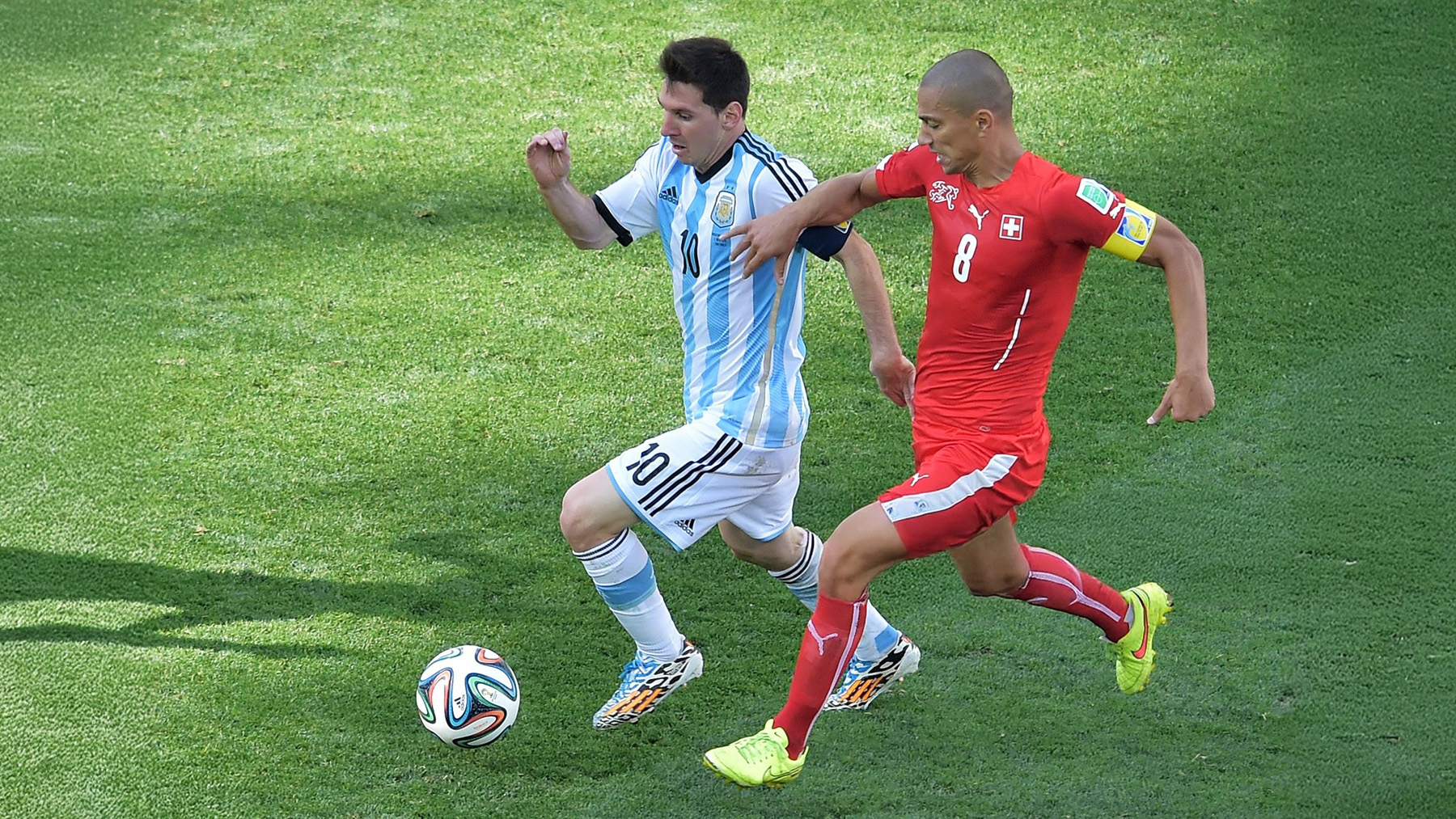
Lionel Messi
Pep Guardiola’s use of Messi as a False Nine at Barcelona changed football forever. By dropping deep, Messi overloaded midfield areas, allowing wingers like Pedro and David Villa to cut inside and score, while he himself became the team’s deadliest finisher.
Cesc Fàbregas
Although not a natural striker, Fàbregas excelled as a False Nine for Spain and Barcelona. His intelligence, passing, and late runs into the box made him a dangerous option in big tournaments, including Euro 2012 where Spain lifted the trophy.
Roberto Firmino
Liverpool’s Brazilian forward redefined the role in the Premier League. Firmino’s pressing, link-up play, and selfless movement created space for Mohamed Salah and Sadio Mané, turning Liverpool into one of Europe’s most feared attacking units.
Dennis Bergkamp
At Arsenal, Bergkamp often operated in areas between midfield and attack. While not always labelled a False Nine, his style of dropping deep to orchestrate play and unlock defences was a precursor to the role.
Modern False Nines
Karim Benzema
While also a poacher, Benzema’s ability to drop into midfield and link play at Real Madrid shows his False Nine qualities. His selfless movement allowed Cristiano Ronaldo to flourish, while he orchestrated attacks and scored crucial goals himself.
Kai Havertz
At Chelsea and now Arsenal, Havertz has often been deployed as a False Nine. His elegant touch, timing of runs, and playmaking skills make him more effective dropping deeper than playing as a traditional striker.
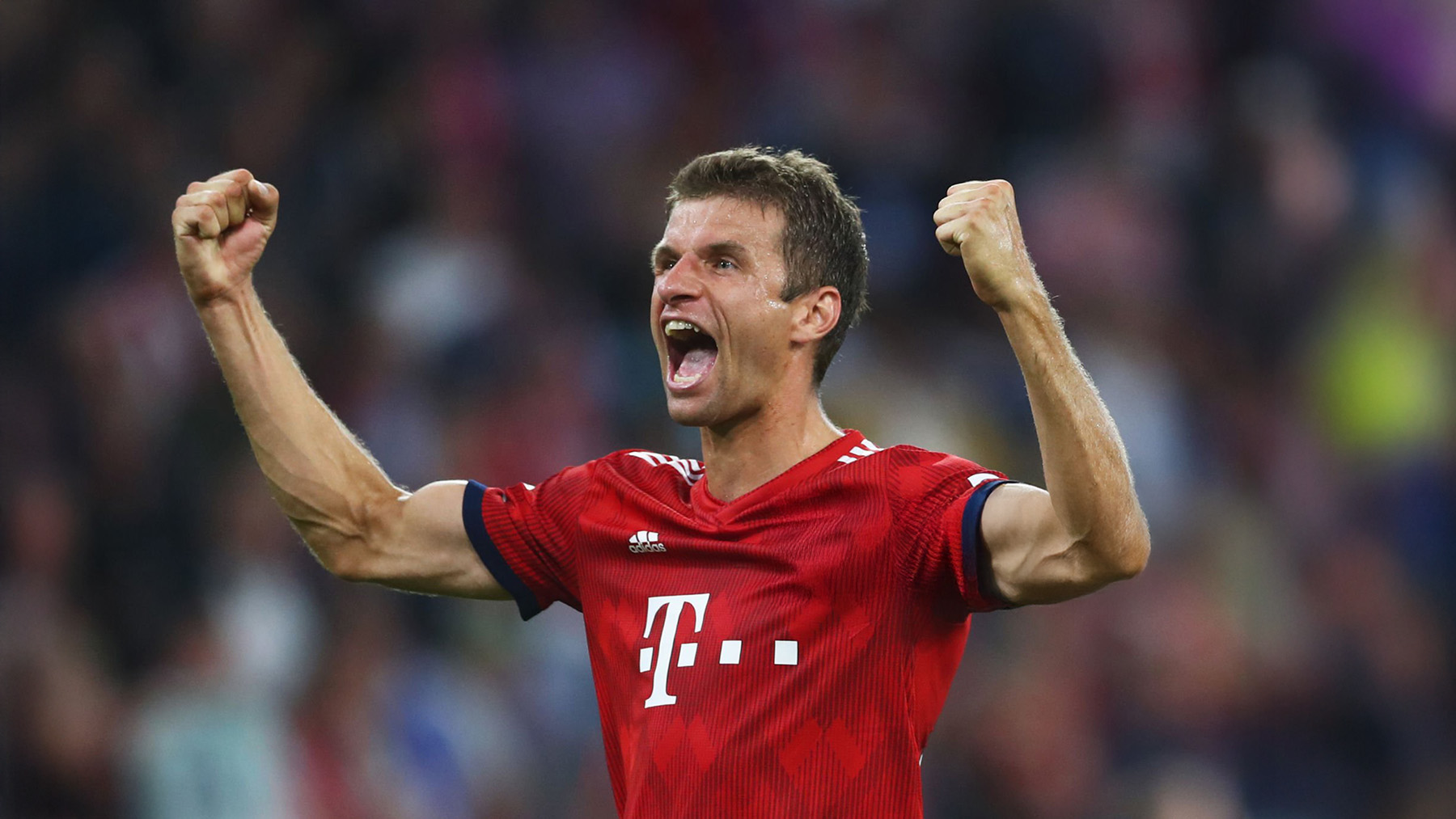
Thomas Müller
Though more famously a “Raumdeuter,” Müller has operated effectively in False Nine roles for Germany and Bayern Munich. His intelligent movement, vision, and knack for finding space align closely with the demands of the position.
Dries Mertens
Maurizio Sarri transformed Mertens into a False Nine at Napoli after Gonzalo Higuaín’s departure. The Belgian adapted superbly, using his pace, creativity, and finishing ability to become one of Serie A’s top scorers.
Antoine Griezmann
For Atlético Madrid and France, Griezmann often drops into midfield to link play and orchestrate attacks. His balance of creativity, work rate, and finishing makes him a modern False Nine.
Paulo Dybala
The Argentine star has been used as a False Nine at Juventus and Roma, thriving when allowed to roam between the lines. His dribbling, passing, and ability to shoot from distance make him an unpredictable threat.
Phil Foden
Under Pep Guardiola, Foden has occasionally been used as a False Nine for Manchester City. His technical skill, movement, and link-up play suit the role, adding flexibility to City’s fluid attack.
Comments